The Woods
We are currently learning more about Claypit Wood. From what we know so far, from surveys and from historical photos and maps, we know that Claypit Wood has a variety of different environments. It is important ecologically for it's connection to the Herring Steam, a chalk stream that runs beside it as well as it's wet woodland area and its ancient woodland indicator species.
Wet woodlands are now some of the least common wooded habitats. They occur on soils that are often or seasonally wet, either because of flooding or because of the land form or soil type. You can find them along streams and rivers; on floodplains and at the edges of lakes; in peaty hollows; and at the margins of fens, bogs and mires. In Claypit Wood, wet woodland is found in a small pocket within its larger drier woodlands.
You can find out more about wet woodland via the Woodland Trust website here: https://www.woodlandtrust.org.uk/trees-woods-and-wildlife/habitats/wet-woodland/
Herring Stream is a chalk stream, this means it flows across or is influenced by chalk bedrock. Chalk streams are usually fed by underground or seasonal springs and often have 'winterbourne' stretches in their headwaters which run dry in late summer. Chalk geology is rare worldwide.
You can find out more about chalk streams from the Sussex Wildlife Trusts website here: https://sussexwildlifetrust.org.uk/discover/around-sussex/wetland-habitats/chalk-streams or from their leaflet on chalk streams and rivers here: https://images.sussexwildlifetrust.org.uk/chalk-streams-and-rivers-1.pdf
HKD Transition, the Hassocks Amenity Association and Greener Hassocks and Ditchling alongside support from the Ouse and Adur Rivers Trust have conducted surveys on the aquatic life of the stream. Shrimp, Bullhead fish, larvae of different species of mayfly, caddis fly, blackfly and midges, sometimes cranefly and demoiselle larvae, worms (segmented or flat), snails or bivalve molluscs, Riffle beetle or Diving beetle larvae and leeches are found in the stream.
To find out more about the stream, have a look at the Greener Hassocks and Ditchling website here: https://www.greenerhassocksditchling.org.uk/floods-and-suds-1
Historically there has not always been full tree coverage on the current site of claypit wood, which can be seen via the historical photos from the 1930s to 1950s. We believe it was used as a brick field and it has had clay pits since at least 1879. Nonetheless, ancient woodland species still survive on site and the woods are well used and loved by members of the community who often walk through the woods with their dogs or use the woods to hang out with friends or have some reflective time alone.
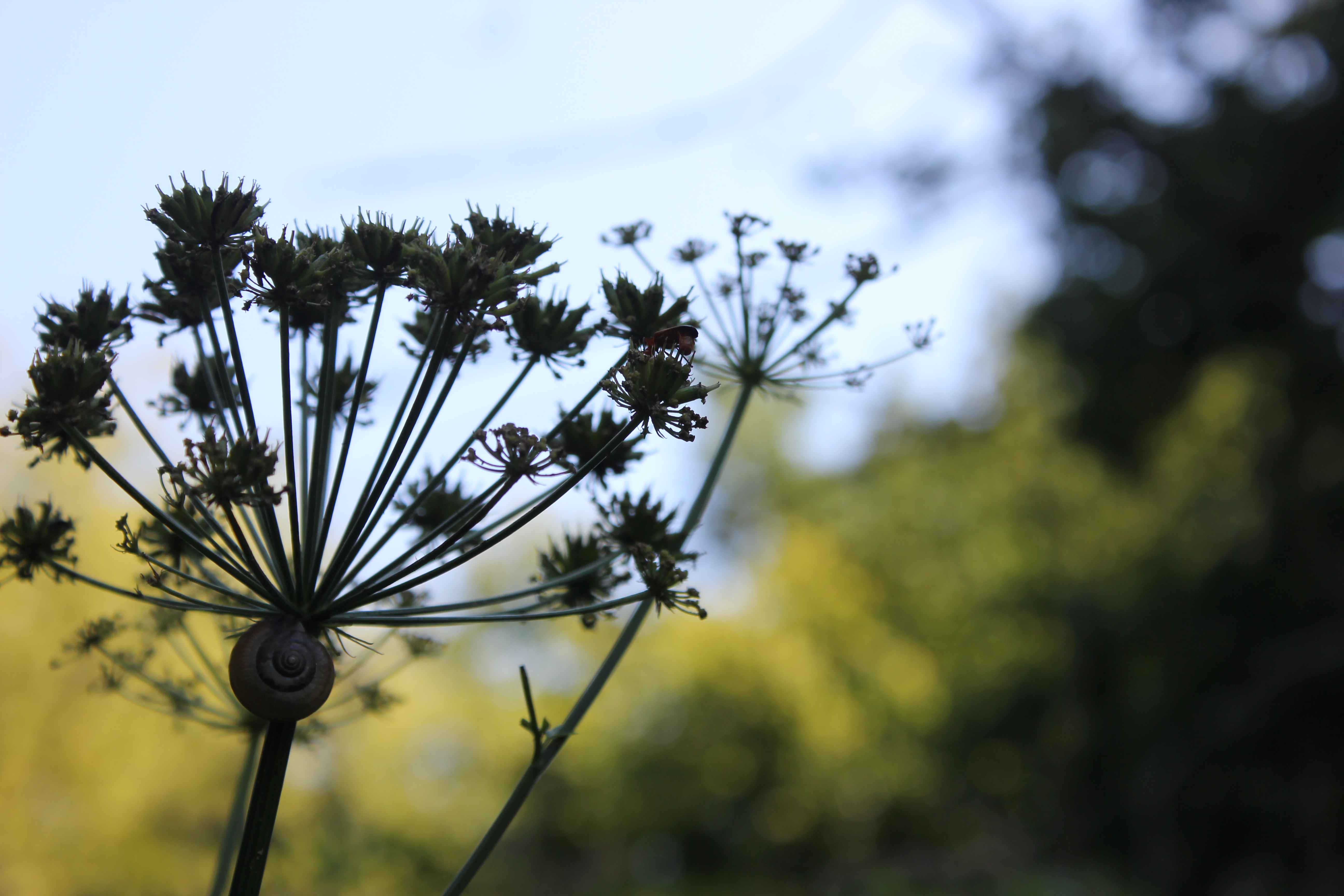
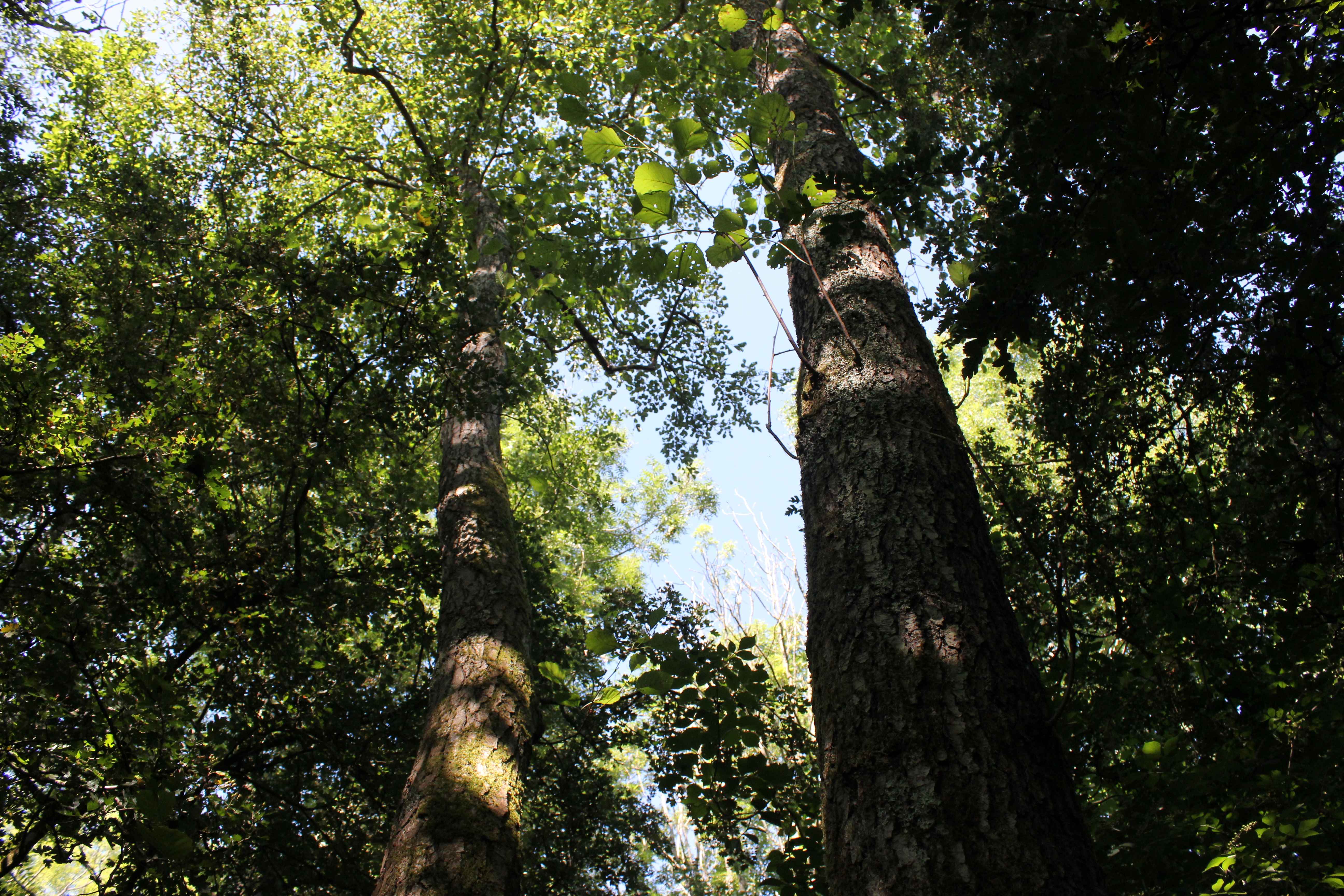
Recent Photos of the woods
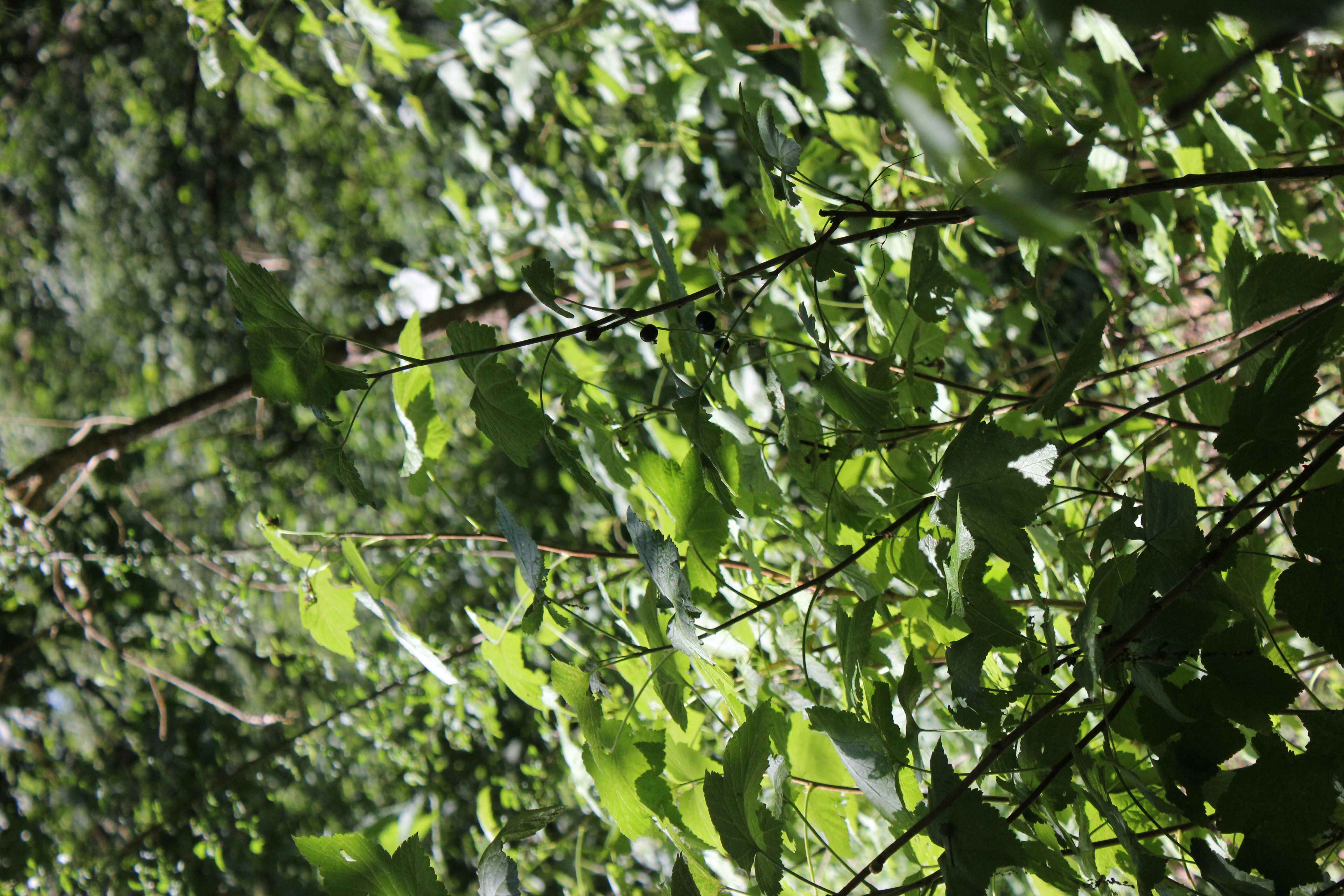
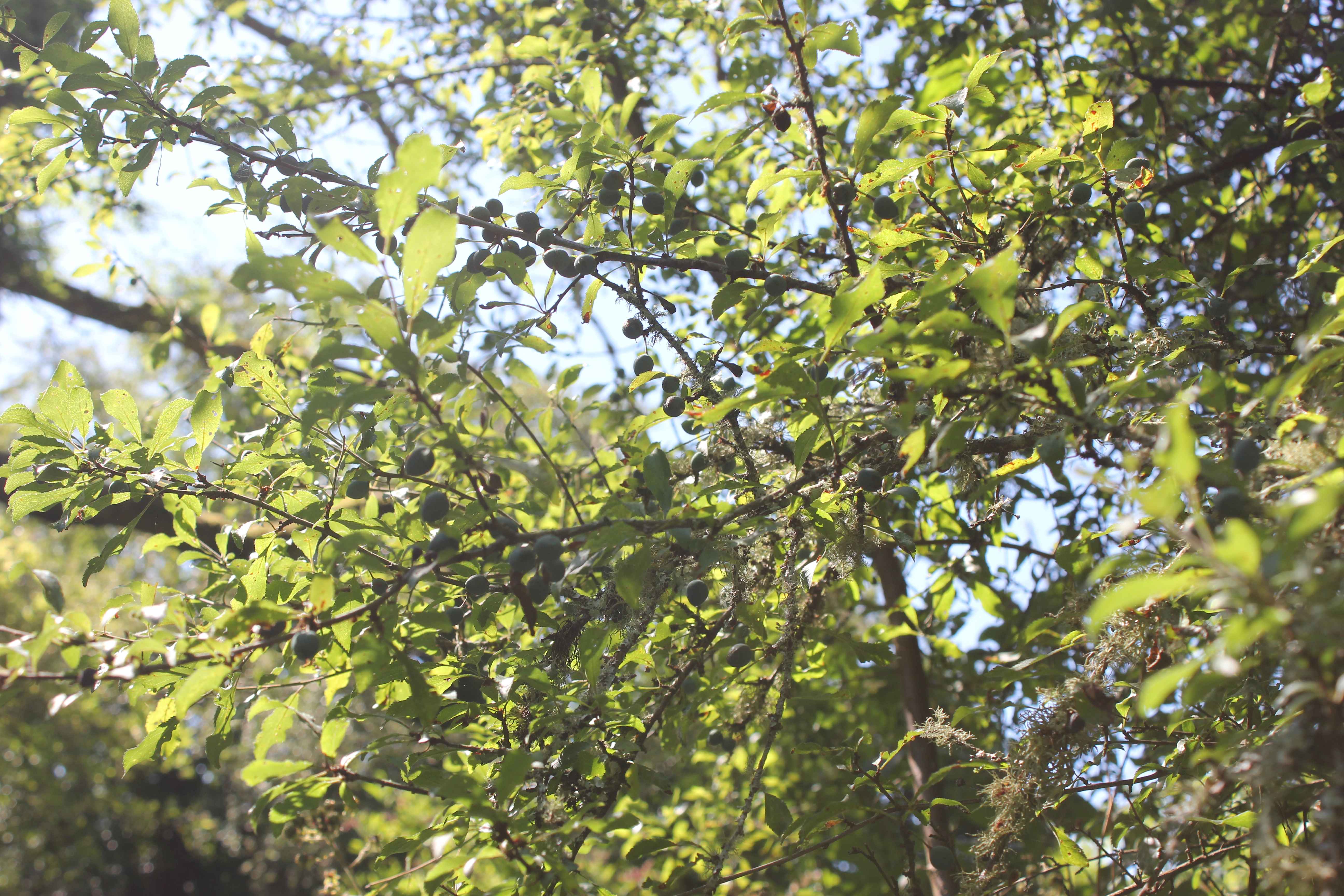
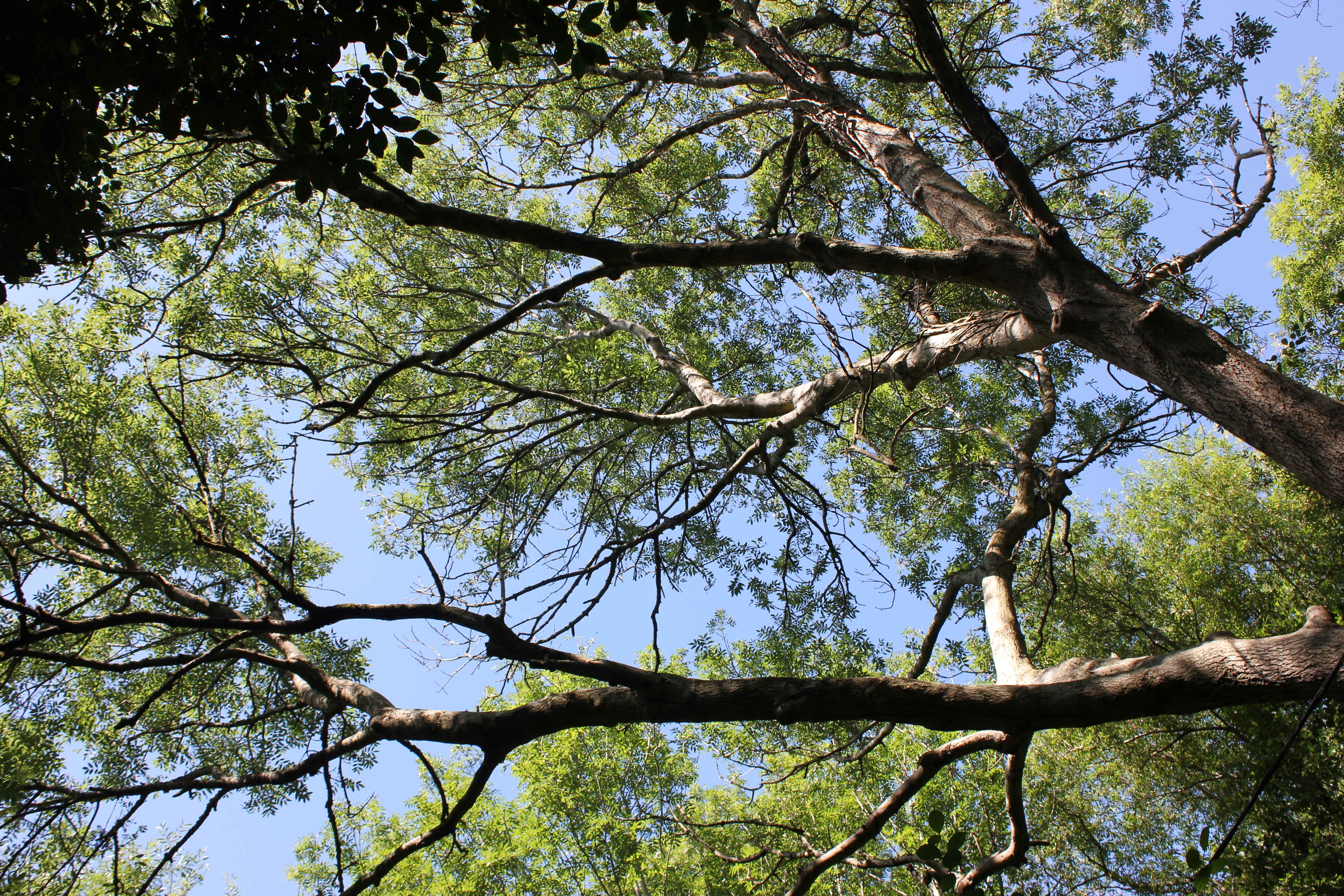
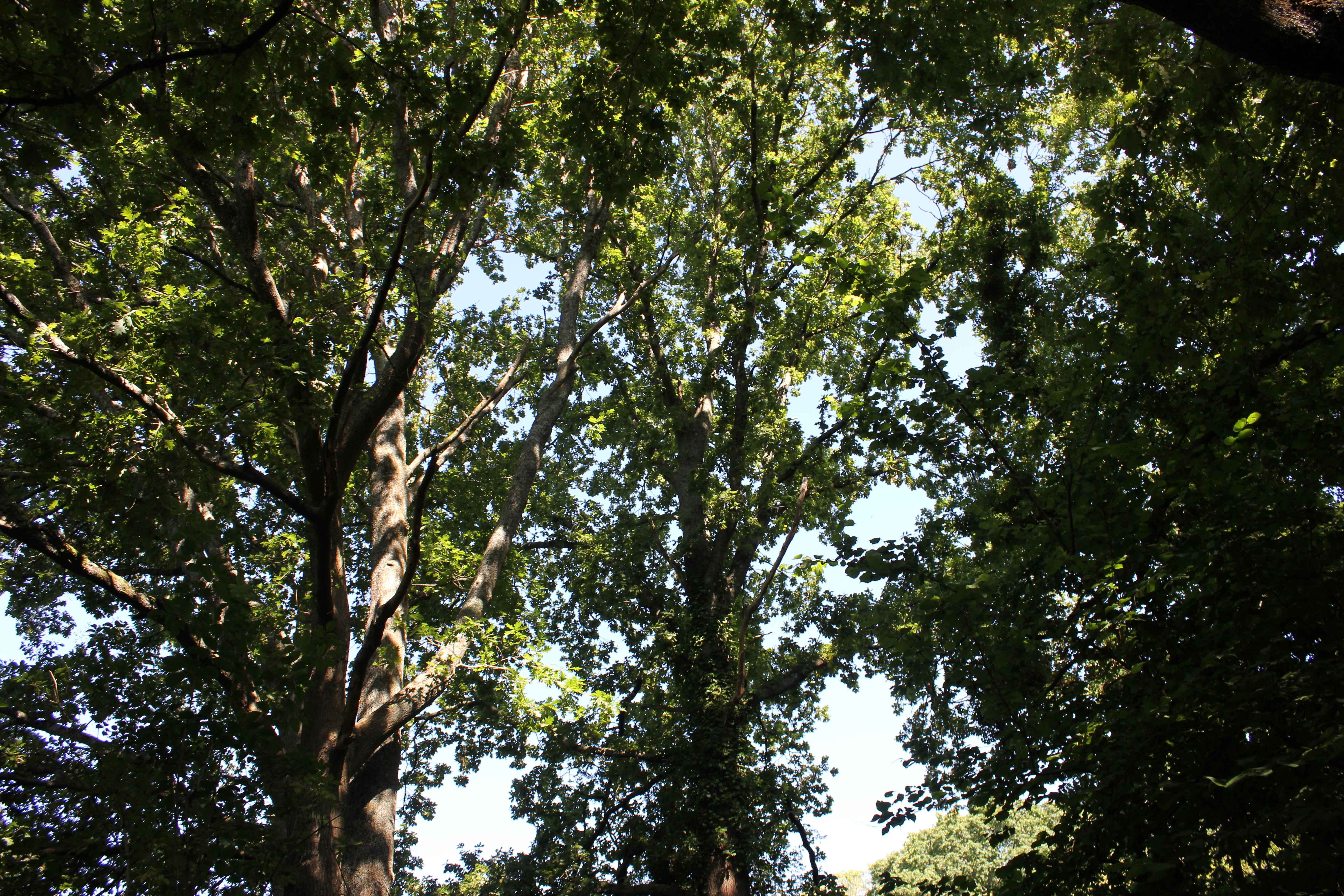
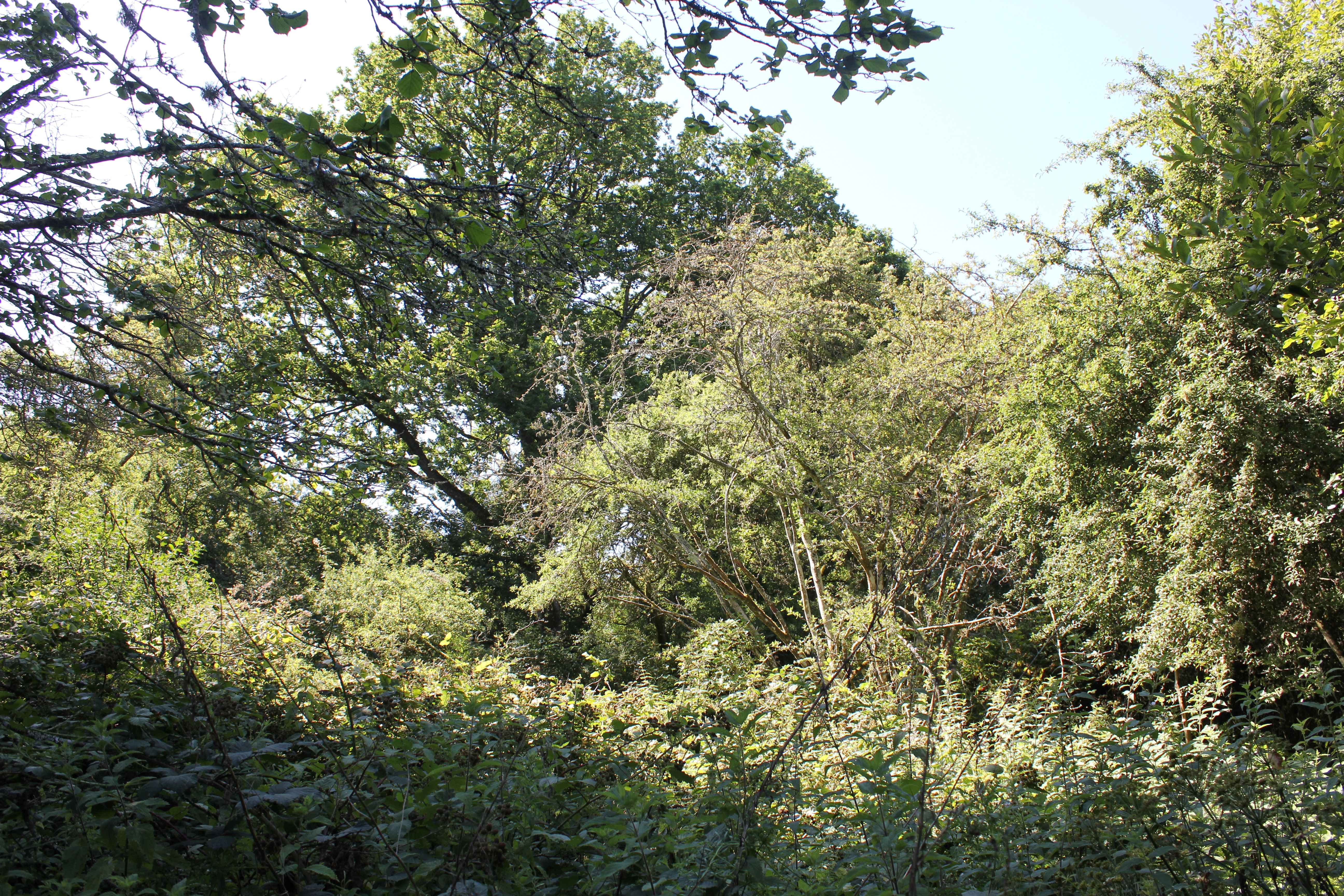
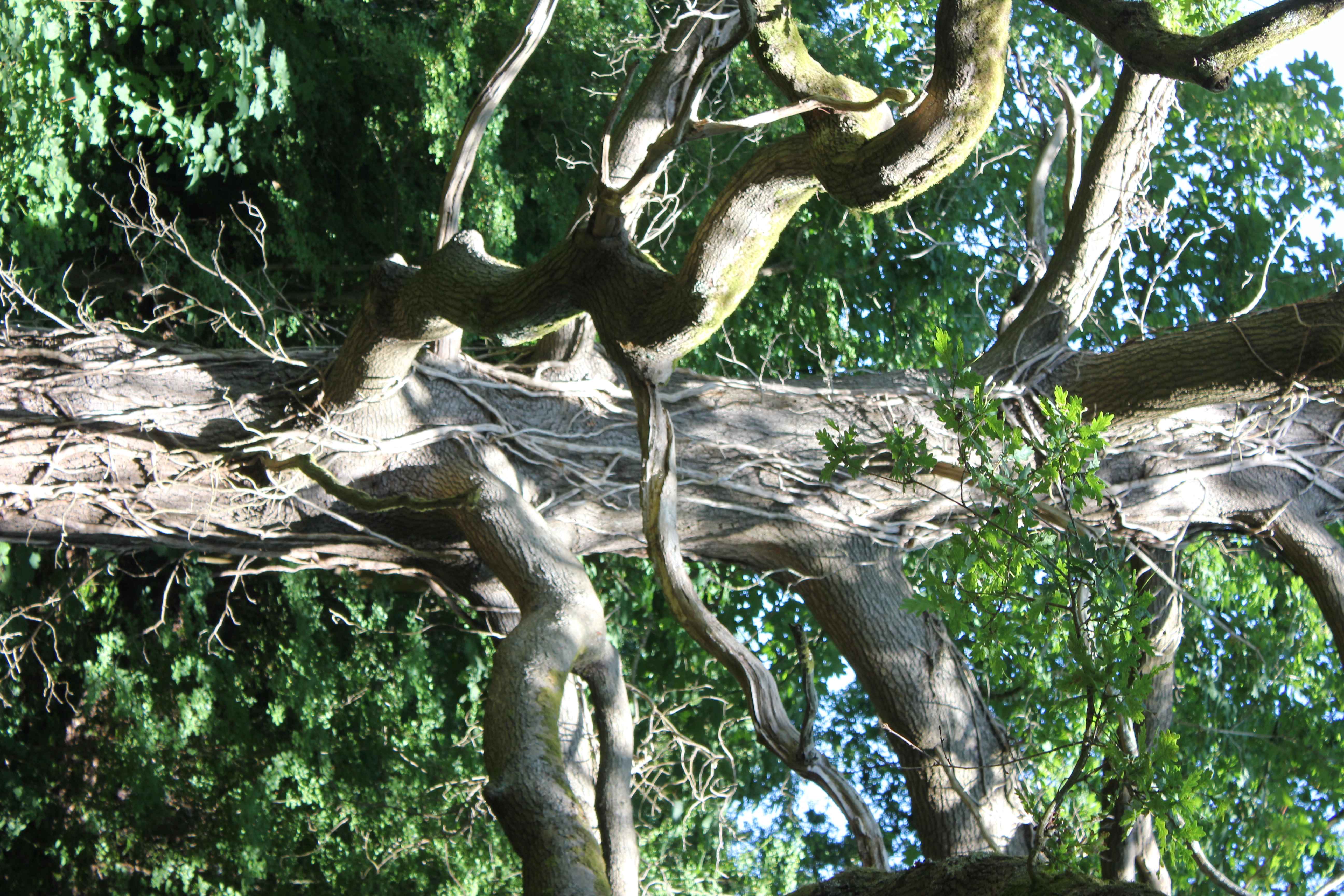
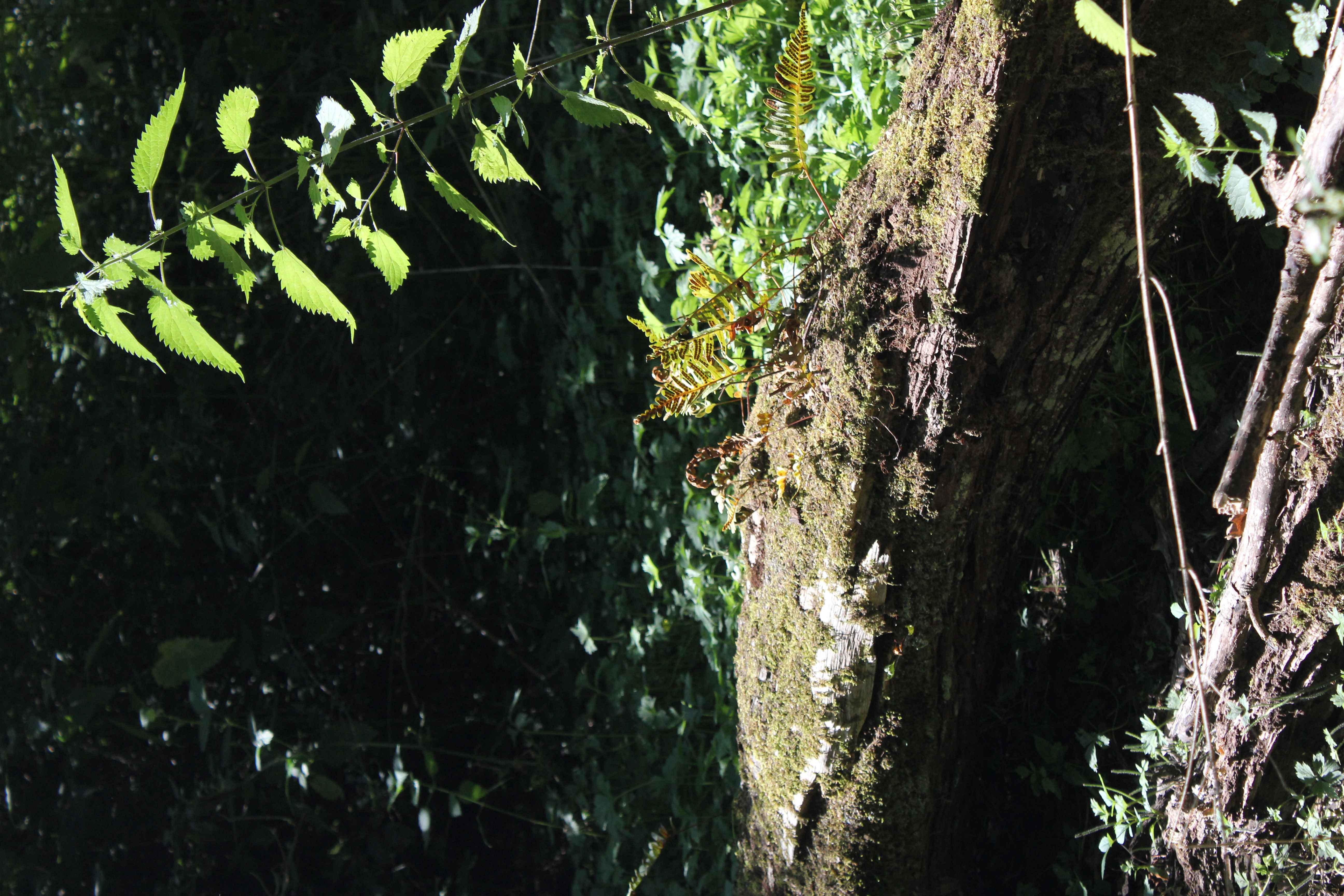
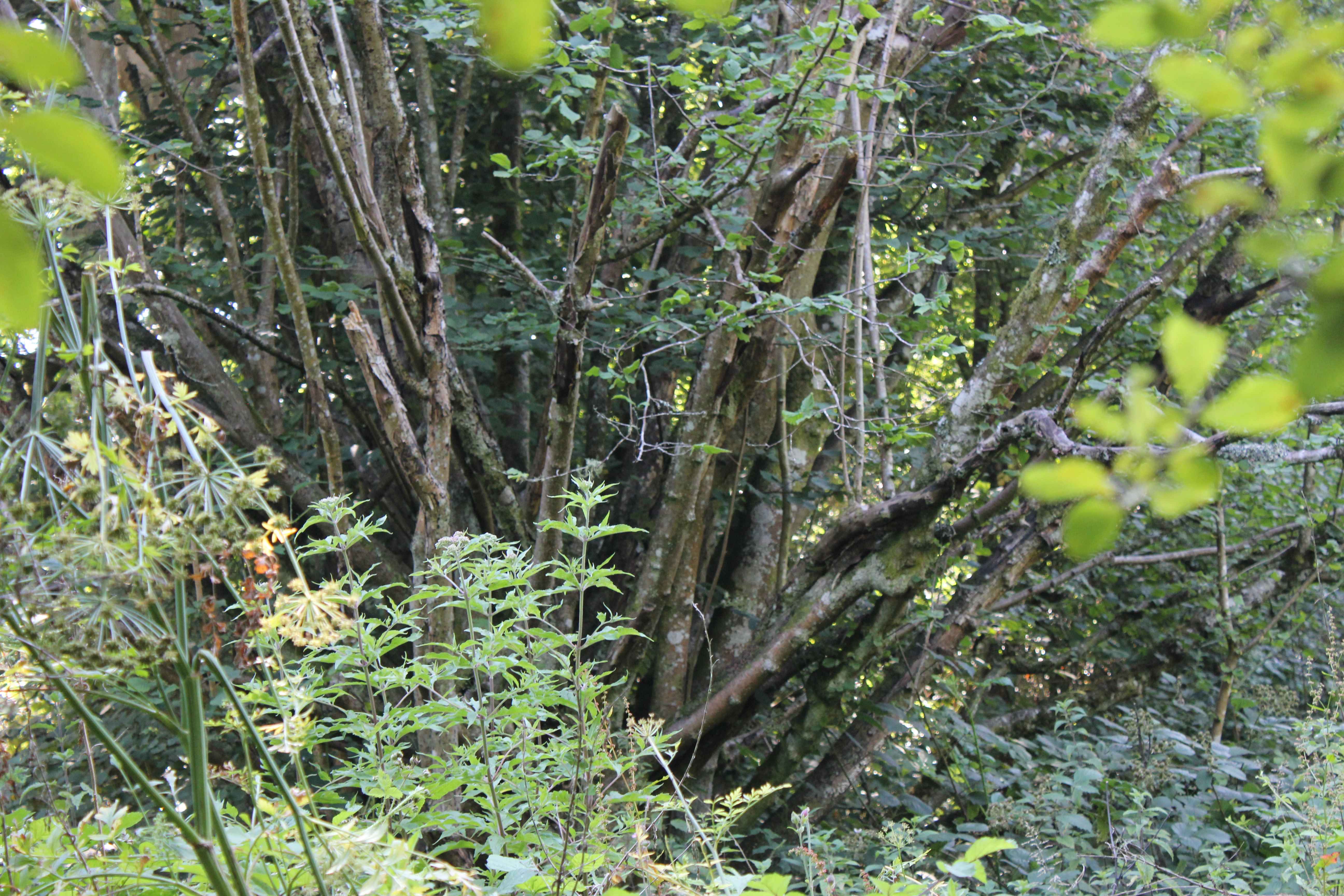
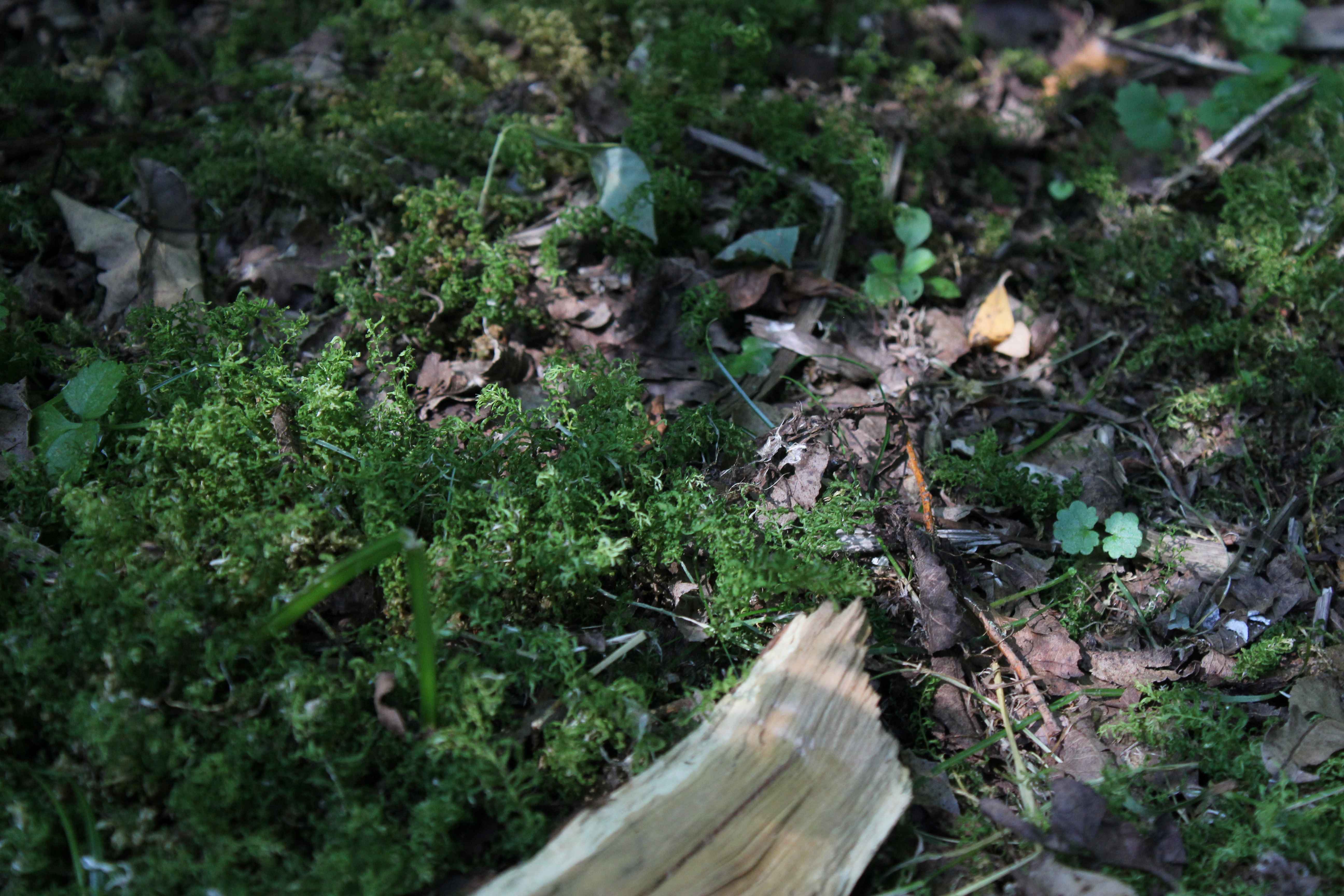
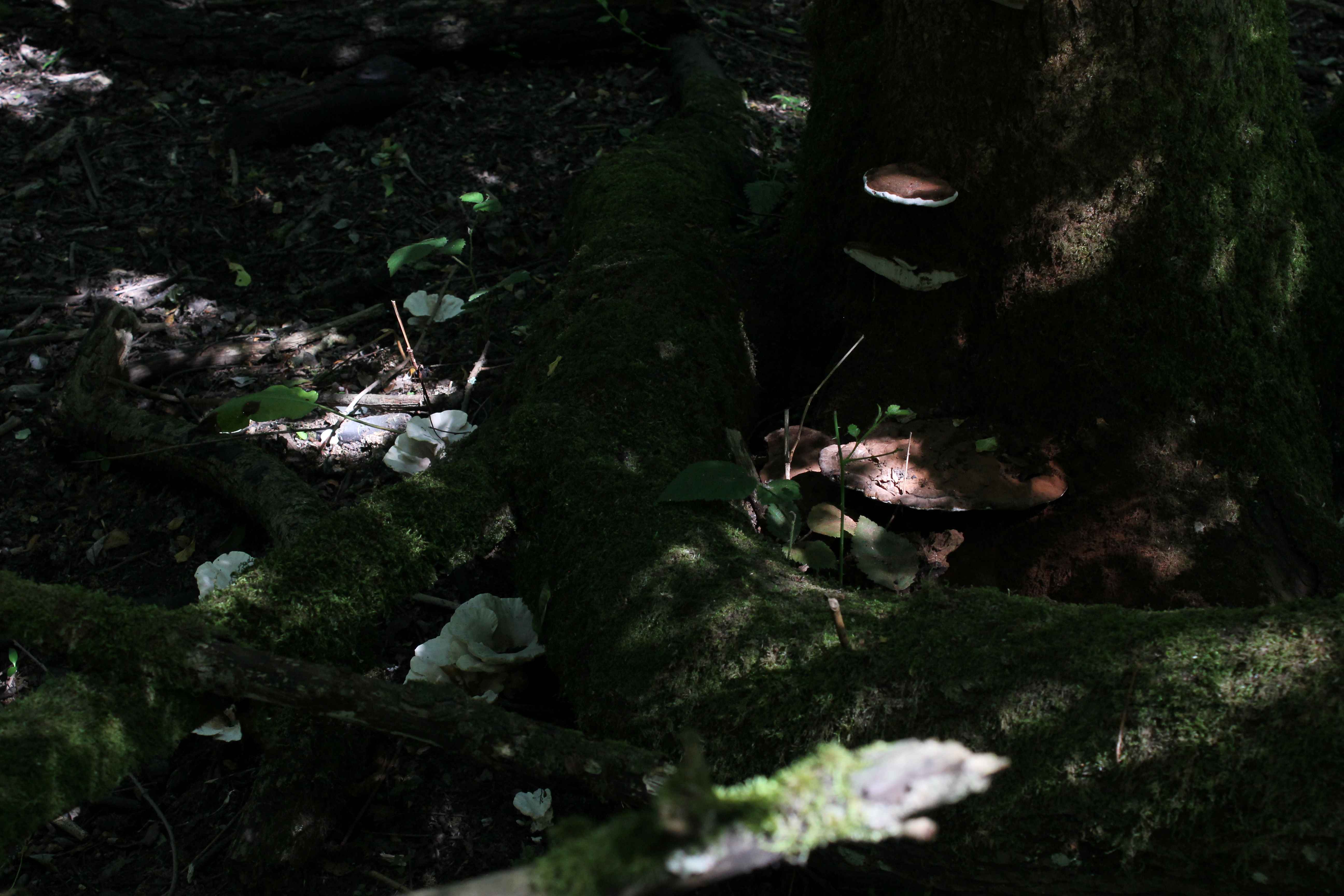
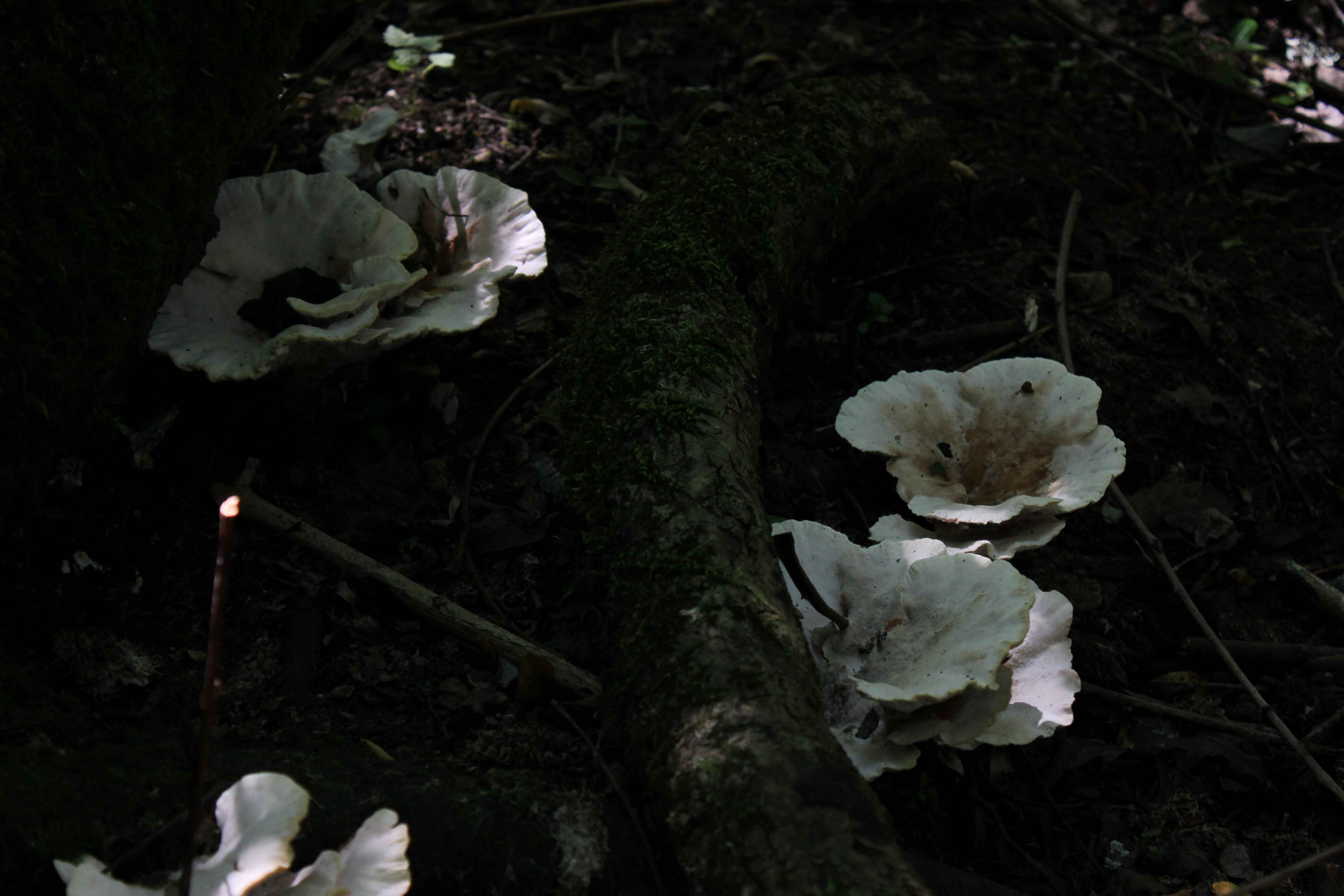
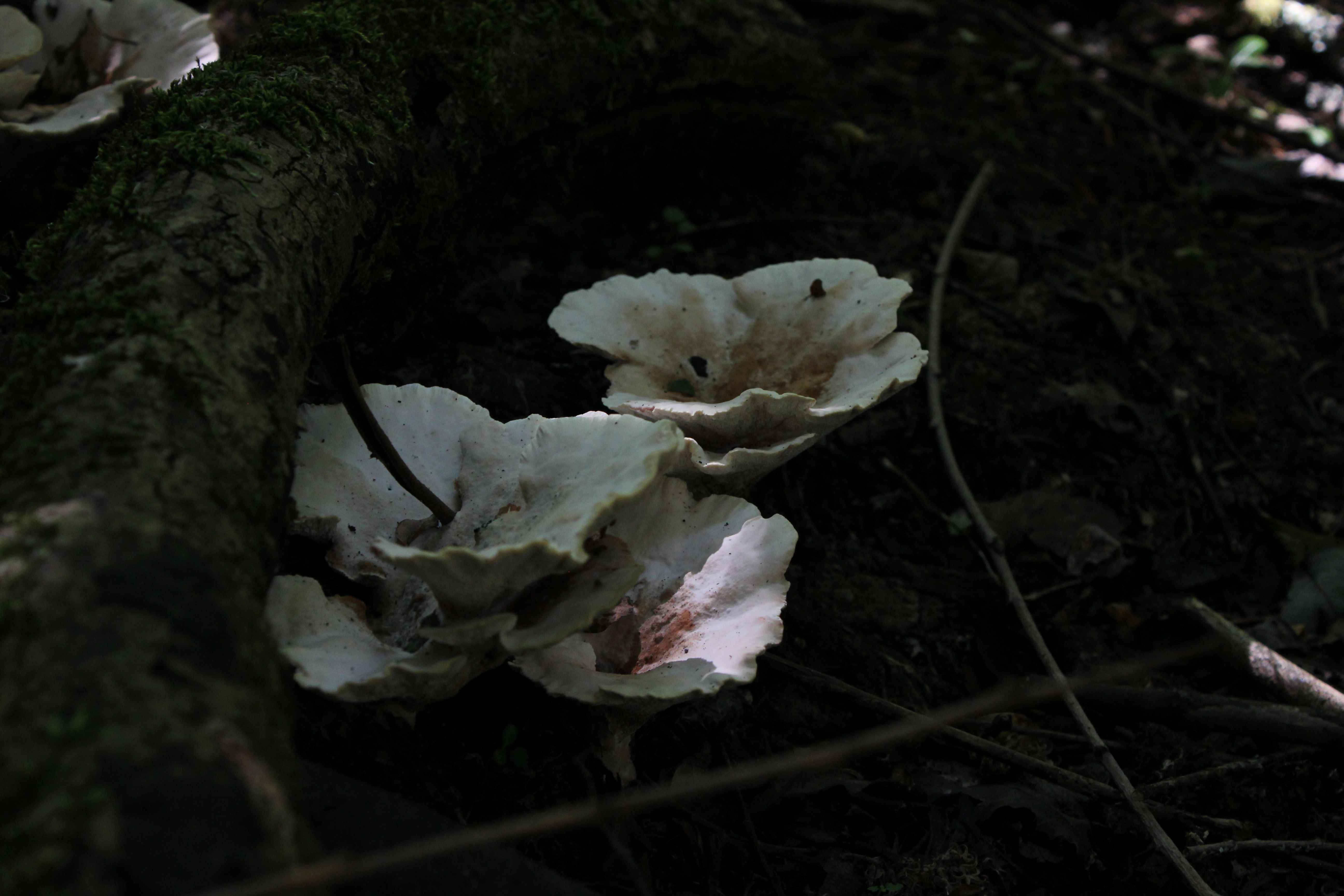
If you would like to be involved, give us an email at claypitwood@proton.me We'd love to hear from local people about their connection with the woods or anyone who is passionate about the wildlife around them.
This webite is a work in progress, if you are interested in attending future events, please give us an email.